Pua Latu
Match PointPua Latu is Oskar Latu’s only daughter, an aspiring Olympic beach volleyball player whose dream becomes the focus of her father’s lavish devotion and increasingly destructive efforts. Her shoulder injury leaves her with one final opportunity to qualify, while the tournament’s rules mean that earning a place for the United States would not itself determine which team competes at the Games.
Identity and Olympic ambition
Pua grew up as the only child of Oskar Latu and Magda, who died during childbirth. Oskar understood himself as having been both mother and father to Pua, and he gave her what she wanted, from a pony when she was seven to a Maserati at sixteen. His care is presented as indulgence carried to obsession: when Pua decided she wanted to compete in the Olympics, he spared no expense in trying to make that ambition real.
Her Olympic goal is not simply a matter of personal ranking. The Serenidad tournament offers the last opportunity for a United States team to secure a place in the Games, but the qualification rules award a country’s place rather than guaranteeing it to the athletes who win it. Pua’s own chance depends on her team winning the tournament, and Oskar regards that outcome as decisive for her future in the sport.
Training, competition, and her father’s intervention
A shoulder injury had hobbled Pua for most of the season and affected her play. Oskar Latu arranged medical care and physical therapy, and by the time of the qualifying tournament she had recovered fully. But recovery could not restore the time she had lost: her Olympic ambition now rested on a final chance to win a place for the United States.
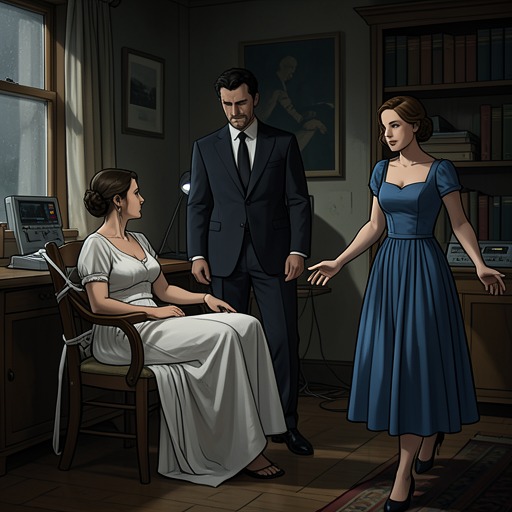
Oskar’s campaign to advance Pua’s athletic prospects had also shaped his relationships with other players. Seeking a coach for her, he invited both Willa Ashford and Colleen Sherman to Serenidad; Colleen was the one who came. Oskar pursued her, began an intense affair, and asked her to marry him so she could become Pua’s mother and teach her the game. Colleen ended the relationship and planned to reunite with her boyfriend. Oskar refused to accept that decision, making his daughter’s sporting future part of a personal conflict over Colleen’s freedom to leave.
Pua and her partner, Sina, were capable of winning, but Oskar believed they could not defeat Willa. When he learned Willa would compete, he arranged to have her eliminated, relying on paid intermediaries rather than acting himself. The attempt failed. Oskar nevertheless allowed Willa and her partner to enter the tournament, hoping they would be knocked out before they threatened Pua’s prospects; instead, Willa kept winning. The plot thus separates Pua’s own participation from her father’s covert violence: her Olympic goal supplies the stakes, while the evidence attributes the scheme to Oskar, not to Pua.
Final confrontation and death
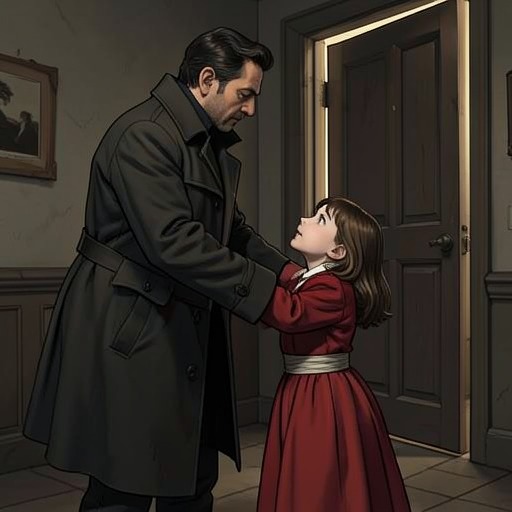
After Oskar Latu was surrounded by police, he wrestled a gun from an officer and shot Corey; the other officers returned fire, leaving Oskar limp as blood spread beneath him. Pua wailed and tried to push through the officers to reach her father, but she was too late. The tournament’s struggle over Olympic qualification had become a scene of family loss and public violence, with Pua’s future now severed from the man who had tried to secure it by force.
Pua then turned on Willa and the others, charging with a blade and blaming Willa for what had happened. Before anyone could stop her, she raised her arm and plunged the knife in. The attack left Tabby with a wound to the femoral artery, forcing Colt to apply a tourniquet to save her life. Pua’s response to her father’s death thus intensified the violence that had already disrupted the tournament and endangered the people caught in Oskar’s campaign.
After being released from prison on bail, Pua went directly home and slit her wrists. She bled to death on the Carrara marble tile floor. Her death closes the arc of an Olympic ambition that Oskar had treated as something money and control could guarantee: his attempts to clear the way for her ended in violence, and Pua’s own final act came after both her father and the future he had pursued for her were gone.
The Unfinished Tournament and Its Aftermath
The tournament never produced its intended result: after the violence, the executive board of beach volleyball’s international governing body convened an emergency meeting and awarded the final Olympic place to the United States. A separate process would still determine which pair represented the country. That institutional resolution came too late to preserve Pua’s own chance; the national opportunity survived the disrupted competition, but the personal future around which Oskar had organized his ambitions did not.